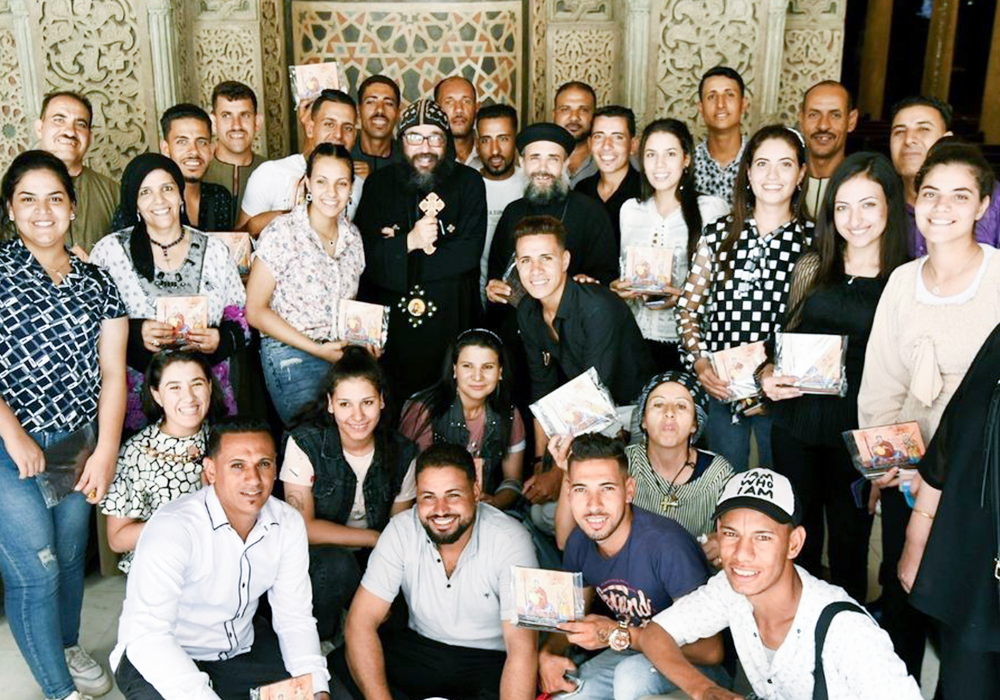
CASC aims at developing the capacities of local community members and CASC staff to be capable of leading change to achieve sustainable development.
The capacity development aims to ensure that at least 20% of the targeted youth, volunteers, community leaders, and servants of people with disabilities take on a leading role in the developmental process within their communities.
The program offers:
Recruitment and Volunteer Mobilization: through engaging community members through outreach events to recruit volunteers for planning and implementing local development activities.
Capacity Building of Religious and Community Leaders: to train Christian religious leaders on social issues, encouraging them to disseminate messages through church services.
Support to Community Initiatives: to provide technical and logistical support for community-led initiatives addressing climate change effects, such as cleaning and planting campaigns.
Program Monitoring and Evaluation: through conducting community visits to enhance staff and volunteer skills, facilitate cross learning, and assess program impact through pre- and post-intervention data collection.
Capacity Building for CASC Staff and Volunteers: Offers training on health, education, economic development, agriculture, project monitoring, inclusive outreach, child protection, and community feedback mechanisms.
Leadership and Management Training: to equip 320 youth (18–40) with leadership and decision-making skills through a 4-day workshop at two levels and a 6-week summer course with discussions, exercises, and teamwork.
In 2024, CASC conducted 21 training courses for 857 participants, including program staff, coordinators, field workers, and volunteers, to enhance their skills and capacity to improve program outcomes. As a result of the dedicated efforts of volunteers, field workers, and program staff, 11 initiatives were implemented, and 29 networking events with official governorates and national universities were held, promoting sustainable community development. Additionally, volunteers showcased community leadership by actively participating in seven campaigns, engaging 281 participants.